Urology expertise
you can trust
Thoughtful, inclusive care
from a leading Female Urologist in India.
Dr. Jeena KR
Dr. Jeena KR is a board-certified Female Urologist in Mumbai, India, with advanced training in stone disease, prostate health, female and functional urology, minimally invasive surgery, endourology, and urological cancers.
One of fewer than 100 female urologists in India, she combines clinical expertise with a calm, approachable style — helping every patient feel heard and supported.
Her practice spans outpatient clinics and hospital affiliations, welcoming patients of all genders and ages.
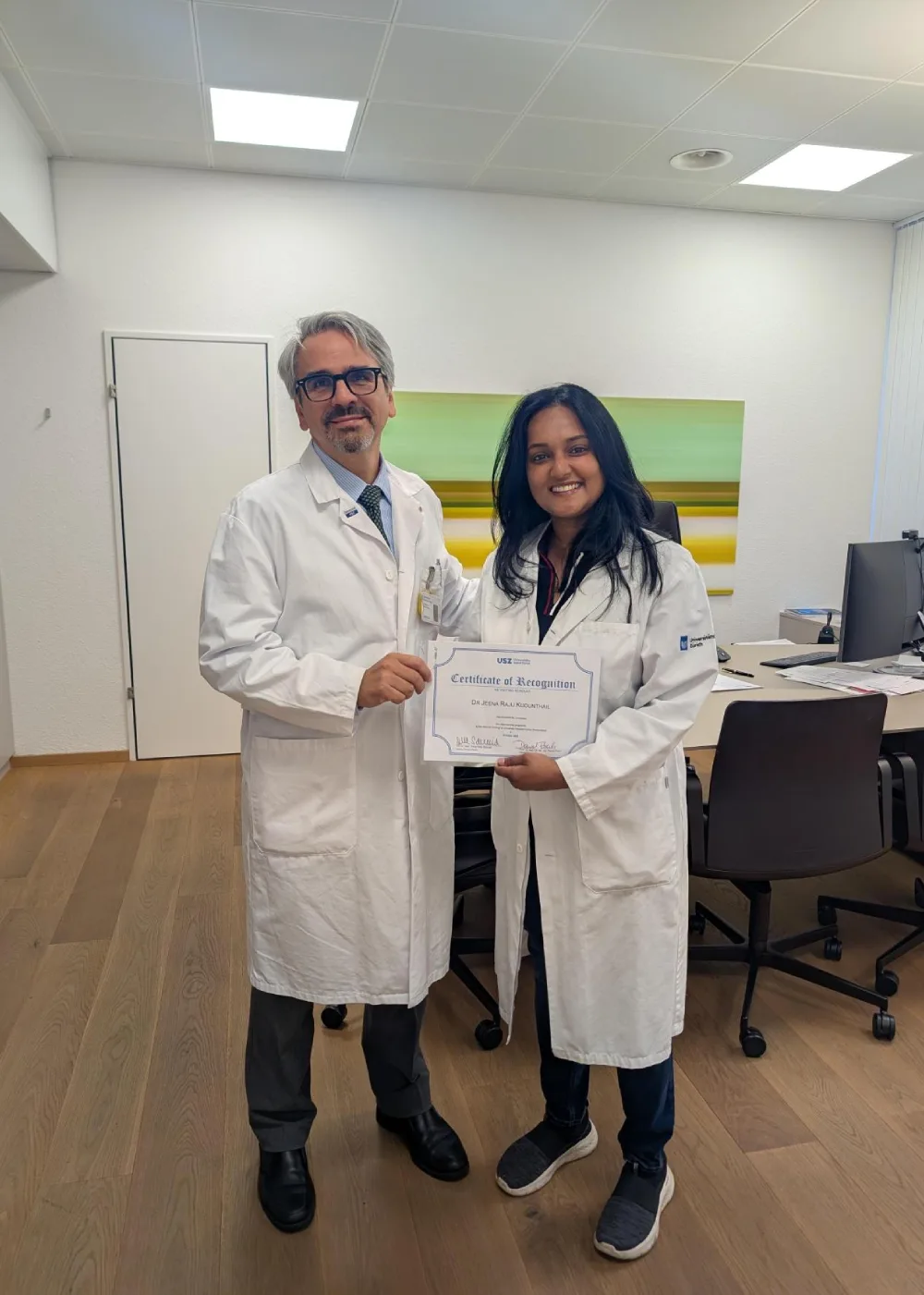
International surgical exposure (USA)
Trained in robotic surgeries and renal transplant
Aluminus of All India Institute of Medical Sciences
Successful Surgeries
Patient Satisfaction
Happy Patients
Charitable Camps
Comprehensive Urology Care
From routine check-ups to complex procedures, each treatment is grounded in medical precision and delivered with clarity and respect. The goal: effective solutions, less discomfort, and better understanding.
Kidney Stone Management
Advanced diagnosis and minimally invasive removal of kidney and ureteric stones, tailored to reduce recurrence.
Kidney Stone Management
Advanced diagnosis and minimally invasive removal of kidney and ureteric stones, tailored to reduce recurrence.
Endourological Procedures
Modern, camera-guided treatments like TURP, ureteroscopy and cystoscopy for accurate, gentle care.
Endourological Procedures
Modern, camera-guided treatments like TURP, ureteroscopy and cystoscopy for accurate, gentle care.
Prostate Health
Early detection and treatment of benign enlargement and prostate cancers, using evidence-based methods.
Prostate Health
Early detection and treatment of benign enlargement and prostate cancers, using evidence-based methods.
Minimally Invasive Surgery
Quicker recovery & less pain with laparoscopic kidney, prostate and oncological procedures.
Minimally Invasive Surgery
Quicker recovery & less pain with laparoscopic kidney, prostate and oncological procedures.
Female & Functional Urology
Discreet, inclusive care for women: incontinence, recurrent UTIs, pelvic floor issues & bladder disorders.
Female & Functional Urology
Discreet, inclusive care for women: incontinence, recurrent UTIs, pelvic floor issues & bladder disorders.
Urological Cancers
Diagnosis, surgery & follow-up for urological cancers including kidney, bladder, prostate & testicular.
Urological Cancers
Diagnosis, surgery & follow-up for urological cancers including kidney, bladder, prostate & testicular.
Why Patients Trust Her
-
One of India’s few best female urologists -
Experienced in minimally invasive and complex urological procedures
-
Known for a calm, clear, and approachable style -
Focused on inclusive, respectful care for all genders
Testimonials
Trusted by Patients. Backed by Experience.
Real stories. Genuine feedback. See what patients say about their experience with Dr. Jeena.
“Dr. Jeena is an excellent urologist. I felt safe and well-informed throughout my treatment. She listens patiently without rushing and makes sure you understand every step of the process. She even followed up afterward to ensure my recovery was going well. That kind of care is truly rare, and I’m very thankful for her exceptional treatment.”
Nikhil Pawar
“Dr. Jeena is an angel for me.she treated my problem which was chronic. She could understand the pain and treated it very well .May God bless her and give lot of success in life.”
Nirupama Jariwala
“My wife Meena Garg has taken treatment from Dr Jeena Raju. She had a great experience. Dr Jeena is a skilled and knowledgeable urologist who takes the time to listen and explain things clearly. Her calm and professional approach made her feel comfortable. I appreciate how thorough and attentive she was. Highly recommend her to anyone looking for expert urological care.”
Subhash Garg
“I’m extremely grateful for the exceptional care and concern shown by Dr. Jeena during my UTI treatment. She not only provided effective treatment but also went above and beyond by calling and messaging me to ensure I adhered to the medication regimen. Her guidance throughout the treatment was clear and reassuring. Highly recommend her for her professionalism and compassionate care!..she actually cares for her patient.”
Komal Baldawa
“Dr. Jeena ma’am is one of the most comforting and professional urologists I’ve ever met. She listens with care and explains everything so clearly. The clinic has a calm vibe and the staff is super helpful. If you’re confused about where to go — just visit her once, you won’t regret it!”
Sabir Siddiqui
“Dr. Jeena is very knowledgeable, humble, and understands the needs of patients and treats them very well. She is busy but gives required time to her patients.”
Ashu Kumar
Frequently Asked Questions
It’s a modern technique that uses small incisions and a laparoscope (camera-equipped instrument) to perform surgery with less pain, minimal scarring, and faster recovery.
Endoscopic procedures to remove stones are techniques that use small instruments and cameras to access and treat stones inside the urinary tract without making large cuts. Common procedures include:
- URS (Ureteroscopy): A thin scope is passed through the urethra and bladder into the ureter to break and remove stones.
- RIRS (Retrograde Intrarenal Surgery): A flexible scope is used to reach stones within the kidney and break them using a LASER.
- PCNL (Percutaneous Nephrolithotomy): For larger stones, a small incision is made in the back to insert a scope directly into the kidney to remove the stone.
- PUCLT/PCCLT ( Perurethral or Percutaneous Cystolithotripsy): These are used for bladder stones. PUCLT is done through the natural urinary passage, while PCCLT uses a small incision in the lower abdomen. In both, the stones are broken and removed by endoscopic method.
In urology, lasers are used for precise, minimally invasive treatments. Common applications include:
- Stone surgery: Laser lithotripsy (e.g., Holmium or Thulium lasers) is used to break kidney, ureteric, or bladder stones.
- Prostate surgery: Laser enucleation (e.g., HoLEP) is used to treat benign prostatic enlargement (BPH).
- Bladder tumors: Lasers help remove superficial bladder tumors with minimal bleeding.
Laser techniques often reduce bleeding, shorten recovery times, and offer high precision with minimal tissue damage.
Smaller incisions, shorter hospital stay, quicker recovery, and reduced risk of infection.
Pelviureteric junction obstruction, Removing infected or nonfunctioning kidneys, ureteric stricture surgeries, Genito-urinary fistulas & Urological cancers.
A urologist specializes in treating conditions related to the urinary tract in people of all genders, as well as the male reproductive system. This includes issues such as kidney problems, urinary incontinence (leakage), bladder problems, urinary tract infections, urological cancers, prostate conditions, and reproductive health concerns in men.
Absolutely. Urologists treat both men and women. Dr. Jeena specializes in female and functional urology, offering discreet, empathetic care.
Difficulty urinating, a weak stream, or frequent nighttime urination may indicate BPH, prostatitis, or prostate cancer.
Men over 50 with symptoms or over 45 with a family history of prostate cancer should get evaluated to aid in early detection and treatment.
Treatment varies depending on the specific prostate condition. For benign prostatic enlargement (BPE), options include medications and minimally invasive procedures such as TURP (Transurethral resection of prostate) or laser therapy.
In cases of prostate cancer, treatment may involve radiation, hormone therapy, radical prostatectomy or active surveillance for early-stage disease. Your urologist will recommend the most suitable approach based on your diagnosis and overall health.
Symptoms may include sharp back or abdominal pain, blood in urine, frequent urination and sometimes nausea or vomiting.
Treatment options include medication, laser lithotripsy, and minimally invasive procedures — depending on the stone’s size & position.
Incontinence ( urine leak), frequent UTIs ( Urinary tract infections), bladder prolapse (Cystocele), urethral narrowing (stricture) & Genitourinary fistulas are common concerns.
Functional urology deals with how the urinary system works, especially issues related to bladder control, pelvic floor function, and the ability to empty the bladder properly.
One common issue within this field is dysfunctional voiding, where there is poor coordination between the bladder and the pelvic floor muscles. This can lead to symptoms such as straining to urinate, interrupted or weak urine flow, incomplete emptying, and recurrent urinary tract infections.
Often, poor bladder habits in childhood — like withholding urine — can lead to abnormal voiding patterns. If these habits persist, they carry over into adulthood. Early identification and proper bladder training can help prevent long-term issues. Treatment includes pelvic floor therapy, behavioural training & medications.
A urodynamic study is a diagnostic test used to evaluate how well the bladder, urethra, and sphincter muscles store and release urine. The test involves inserting small catheters into the bladder and rectum to measure pressure and flow during bladder filling and emptying. Urodynamics provides valuable information for diagnosing conditions like overactive bladder, bladder outlet obstruction, or dysfunctional voiding, and helps guide appropriate treatment.
Intravesical Botox refers to the injection of Botulinum toxin (commonly known as Botox) into the bladder wall. It is used to treat certain bladder conditions that do not respond to conventional therapies, such as:
- Overactive bladder (OAB) with urge incontinence
- Interstitial cystitis/bladder pain syndrome (in select cases)
Botox works by temporarily relaxing the bladder muscle, reducing involuntary contractions and increasing bladder capacity. The procedure is done under local or short general anesthesia, typically through a cystoscope, and the effects last 3 - 6 months. It is a safe and effective option for patients who have not benefited from medications.
They include cancers of the kidney, ureter, bladder, prostate, testicles, and penis.
Management depends on the type, stage, and location of the cancer. Treatment options may include surgery, chemotherapy, radiation therapy, immunotherapy, targeted therapy, or a combination of these. Early detection plays a key role in improving outcomes. Your urologist will tailor the treatment plan to your specific condition and overall health.
Urology Observerships
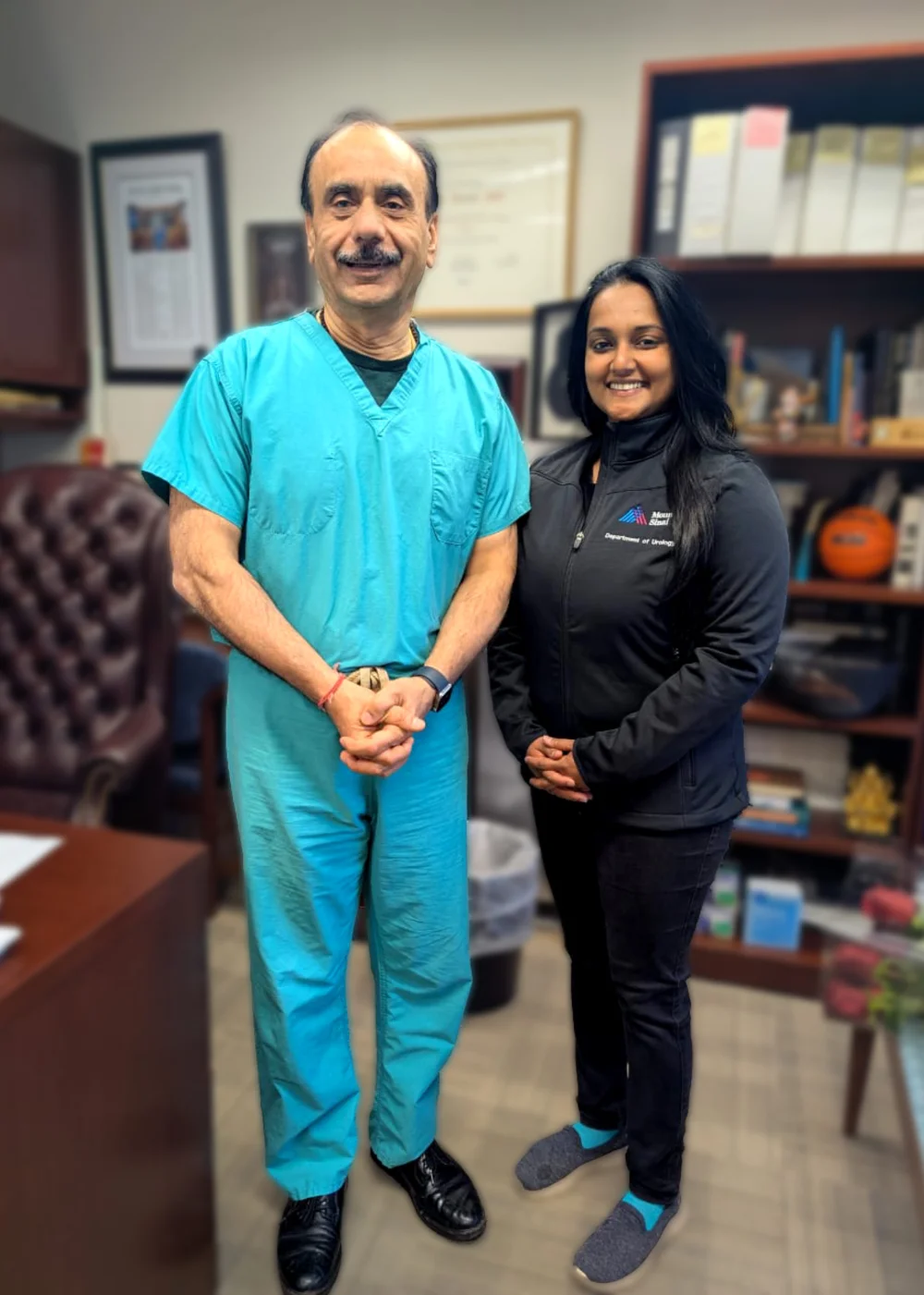
Clinical Observership in Robotic Radical Prostatectomy under Dr Ashutosh Tewari – Icahn School of medicine, Mount Sinai Hospital, New York
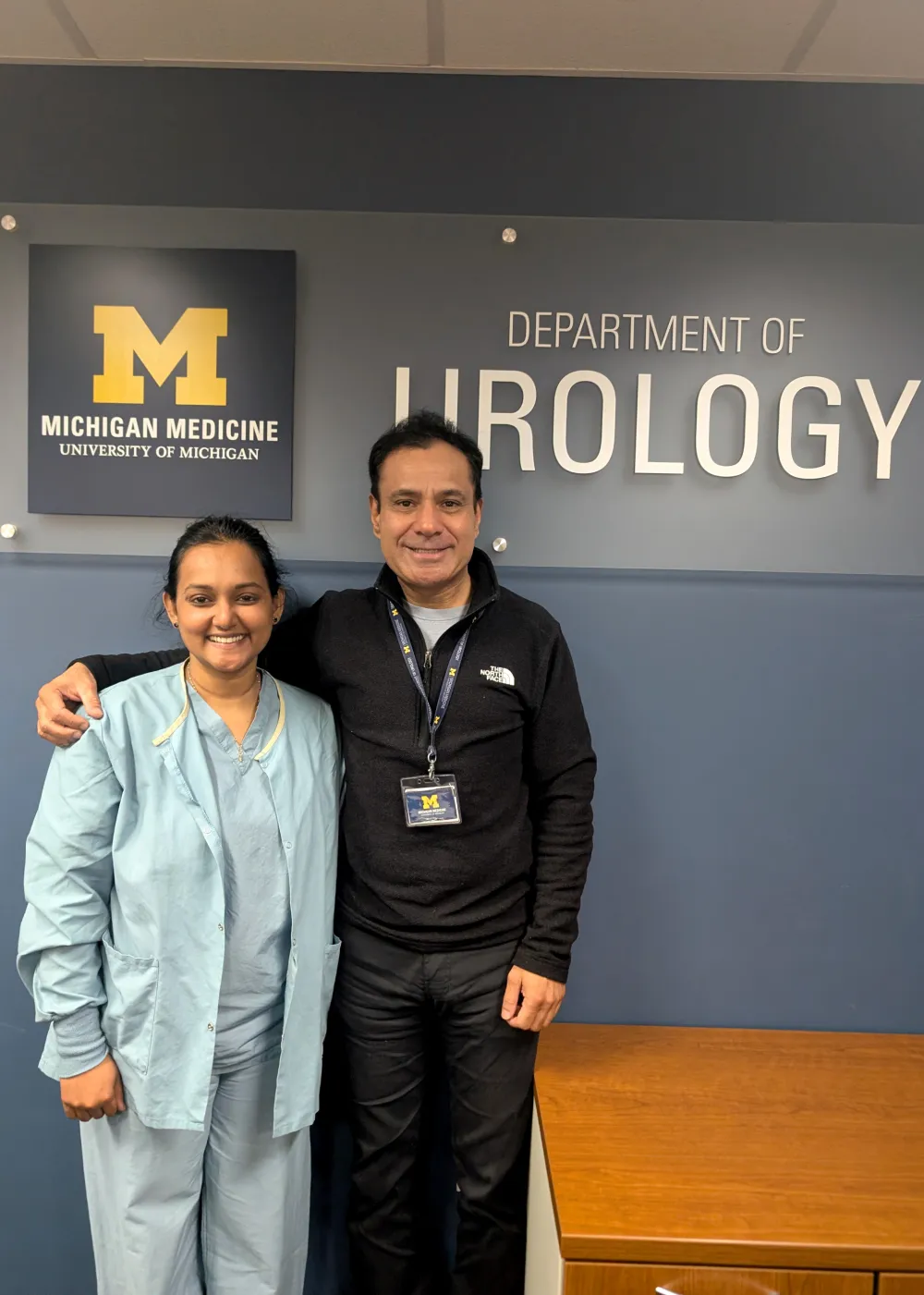
Clinical Observership in the Department of Neuro-Urology and Pelvic Reconstruction – University of Michigan
Memberships